In modern wastewater treatment plants, blowers play a vital role in ensuring efficient and reliable biological treatment. They provide the essential air required to supply oxygen to microorganisms that break down organic matter in wastewater. Without proper aeration, the treatment process would slow down significantly, leading to poor effluent quality and higher operational costs.
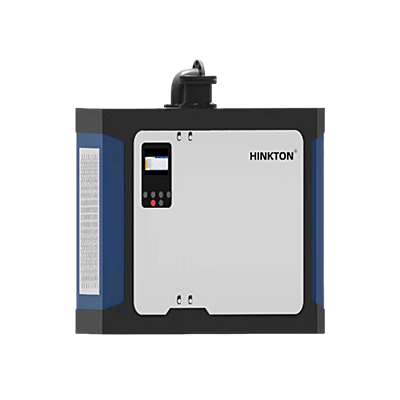
Blowers are mainly used in the aeration tanks, where they deliver air through diffusers such as disk or tube aerators. This process, known as fine bubble aeration, enhances oxygen transfer efficiency and promotes effective mixing of the wastewater. The oxygen supports aerobic bacteria that decompose organic pollutants, converting them into carbon dioxide, water, and biomass.
There are several types of blowers commonly used in wastewater treatment:
Roots (lobe) blowers – simple, robust, and ideal for low-pressure applications.
Screw blowers – offer higher efficiency and quieter operation.
Turbo blowers – use high-speed impellers and magnetic bearings for exceptional energy savings and low maintenance.
Centrifugal blowers – suitable for large-scale plants requiring stable airflow and pressure.
Selecting the right blower depends on plant size, airflow demand, energy efficiency requirements, and budget.
Aeration typically accounts for 40–60% of the total energy consumption in a wastewater treatment plant. Therefore, using energy-efficient blowers with variable frequency drives (VFDs) or smart control systems can significantly reduce power costs. Modern blowers also feature real-time monitoring and automatic load adjustment, ensuring that oxygen supply matches the actual biological demand.
In continuous 24/7 operations, reliability is crucial. High-quality blowers are designed with durable materials, precision bearings, and advanced cooling systems to ensure long service life. Regular maintenance—such as air filter cleaning, bearing lubrication, and vibration monitoring—helps prevent unplanned downtime and keeps performance at its peak.
Blowers are the heart of the aeration system in wastewater treatment plants. Choosing the right blower technology and maintaining it properly can lead to improved treatment efficiency, lower energy consumption, and more sustainable plant operation. Whether using lobe, screw, or turbo blowers, optimizing aeration performance is key to achieving clean water and environmental compliance.


