As a key diffusion device in the biological wastewater treatment process, micro-porous aerators come in various types with distinct features, suitable for both intermittent and continuous operation designs. Among them, fixed bottom aerators and liftable tubular aerators are two commonly used options, but they differ significantly in installation, maintenance, cost-effectiveness, and operational stability. This article will conduct a detailed comparison of the two to help wastewater treatment plants make optimal choices.
1. Fixed Aerator (Bottom-Mounted Type)
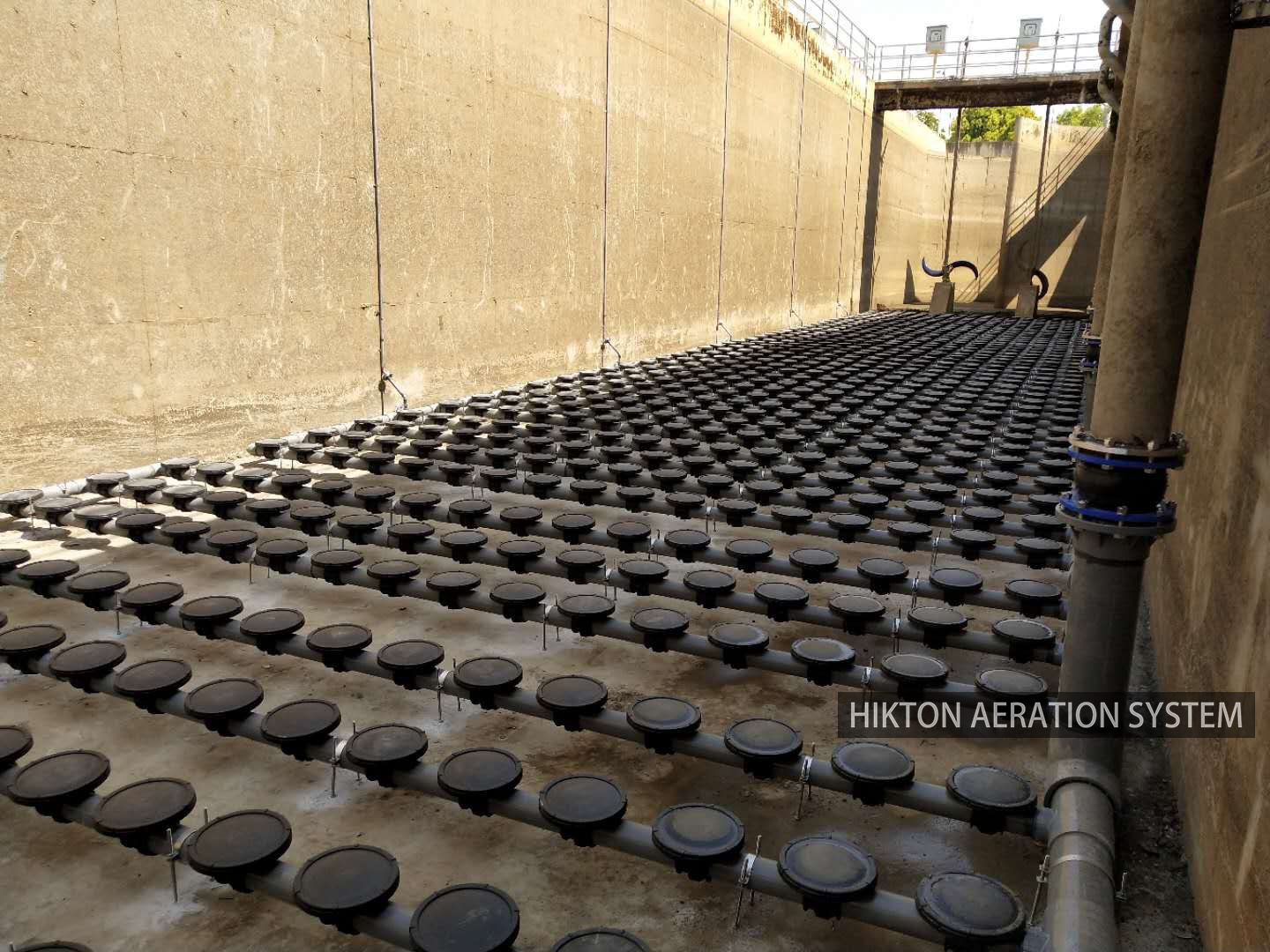
Fixed aerators are installed at the bottom of the aeration tank, connected by a main pipe and bottom branch pipes arranged in a circular pattern. The air pipes are fixed to the tank bottom with adjustable brackets, and micro-porous diffusers—such as disc aerators, tubular aerators, or corundum aerators—are mounted on the branch pipes.
Installation of fixed aerators has strict requirements for the aeration tank. Before installation in a new tank, the concrete tank must meet installation conditions: the tank bottom must be free of sludge and water, and thorough cleaning is required prior to installation. For post-operation maintenance and replacement, the tank must be drained and sludge removed, or professional submersible workers must be dispatched for on-site replacement. Both methods pose potential safety risks for workers and result in high labor costs.
2. Liftable Tubular Aerator
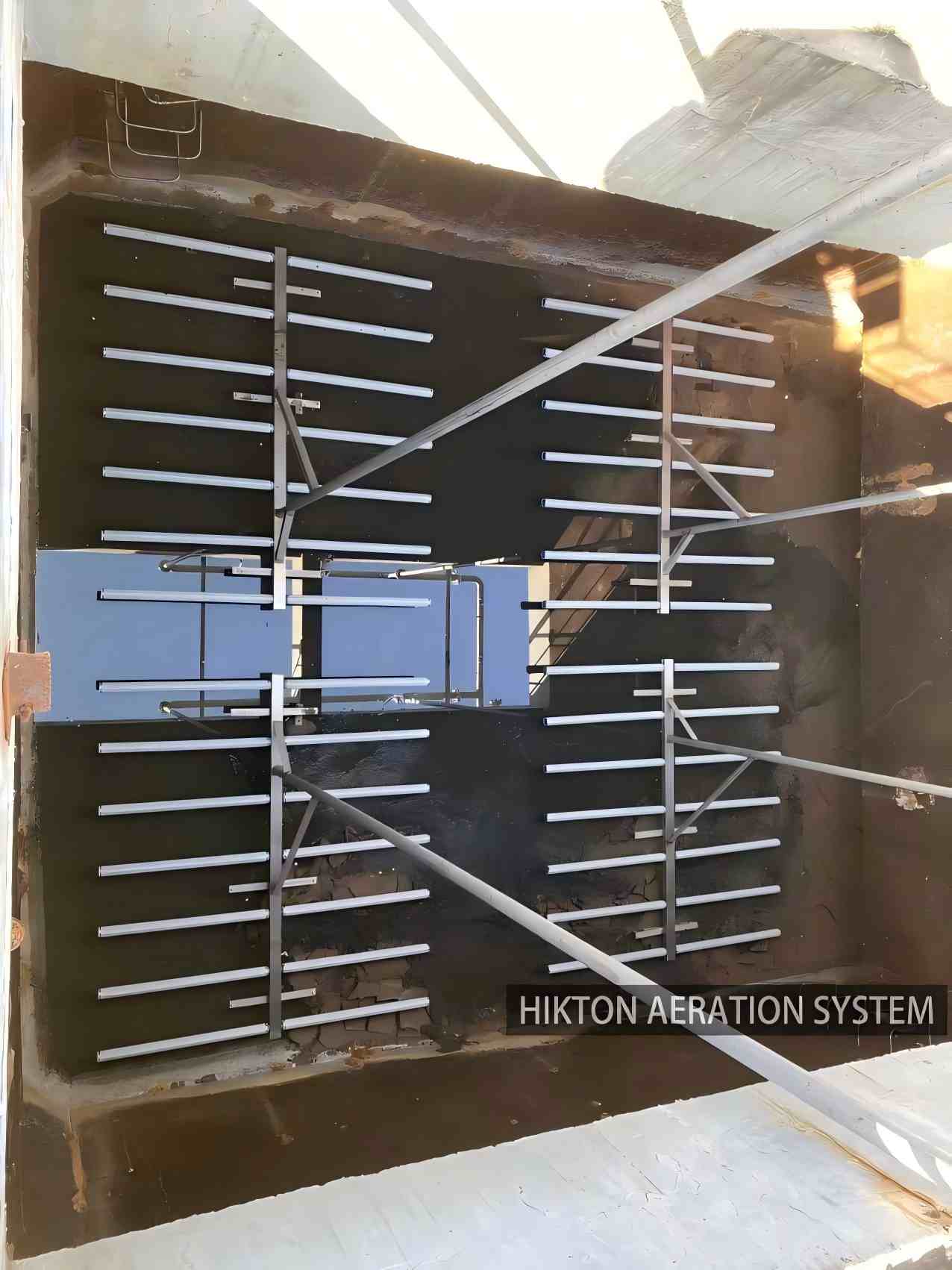
Unlike fixed aerators, the air main pipe of liftable tubular aerators spans across the top of the aeration tank. Each group of aerators is hoisted under the tank via an air lift pipe, with an independent valve for adjusting air volume individually. Each air lift pipe is equipped with a flange or quick connector, allowing for separate disassembly and installation—tubular aerators are usually adopted for this design.
One of the biggest advantages of liftable tubular aerators is the ability to install and operate with water in the tank, eliminating the need for drainage or sludge cleaning. They also have no special requirements for the concrete quality of the tank bottom. Post-maintenance is simple: each group of aerators can be lifted and replaced independently, which simplifies operation and reduces costs associated with labor and production downtime.
3. Comprehensive Comparison & Summary
3.1 Damage & Operational Stability
Fixed bottom aerators tend to suffer from large-area damage when failures occur, which can disrupt the entire aeration system. In contrast, liftable tubular aerators are designed as independent units—each unit can be damaged individually without affecting the operation of other aerators, ensuring more stable overall aeration performance.
3.2 Cost-Effectiveness
Fixed aerators have a lower initial investment cost. However, their long-term comprehensive cost is much higher. They typically use ABS or UPVC pipes, which have a short service life. Although the one-time investment is low, repeated replacements are required, leading to frequent maintenance cycles. Both the air pipes and aerators need to be replaced, resulting in significant losses from production downtime.
Liftable tubular aerators have a higher initial investment, but their comprehensive long-term cost is lower. The pipes adopt stainless steel or galvanized materials, ensuring a long service life—there is no need to replace the pipes in the later stage, only the damaged aerators need to be replaced. With flexible installation, simple maintenance, and short downtime, they minimize losses compared to fixed aerators.
3.3 Overall Advantages
In terms of installation flexibility, maintenance convenience, operational stability, and long-term cost-effectiveness, liftable tubular aerators outperform fixed bottom aerators. For wastewater treatment plants pursuing efficient operation, reduced downtime, and long-term cost savings, liftable tubular aerators are a more reliable choice.
Choosing the right aeration system is crucial for improving wastewater treatment efficiency and reducing operational costs. While fixed aerators may be suitable for projects with tight initial budgets and infrequent maintenance needs, liftable tubular aerators are more recommended for most industrial and municipal wastewater treatment plants, especially those requiring stable operation and low long-term costs.


