Wastewater treatment is a fundamental process to protect the environment and public health. Depending on the level of pollution and the final purpose of the treated water, treatment systems are divided into three main stages: primary, secondary, and tertiary treatment.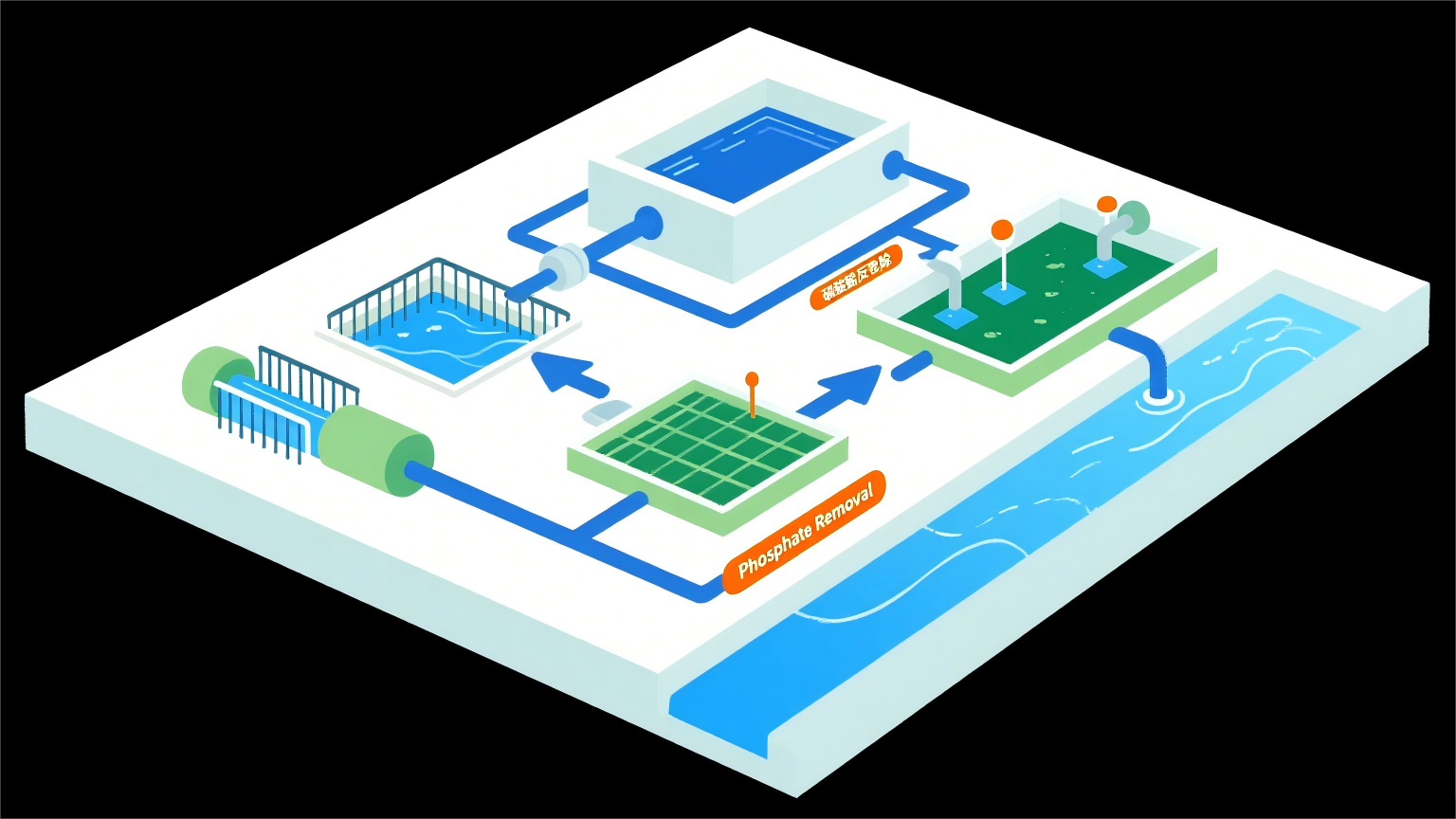
In this initial stage, large solids and grit are removed through processes such as screening, sedimentation, and grit removal. It is a basic step that prepares the water for the following processes but does not eliminate dissolved organic matter.
This is the most important stage for most municipal and industrial plants. The main goal is to reduce the organic load in the water by using microorganisms that break down contaminants.
Several technologies are commonly applied:
Activated Sludge: widely used in urban plants, it requires continuous aeration to keep microorganisms active.
MBBR (Moving Bed Biofilm Reactor): uses mobile plastic carriers where biofilm grows, providing efficient and stable wastewater treatment.
MBR (Membrane Bioreactor): combines biological treatment with membrane filtration to produce high-quality effluent.
For these systems to operate efficiently, aeration equipment such as fine bubble diffusers, air blowers, and oxygen distribution systems are essential. These devices provide the oxygen necessary for microorganisms, improving process efficiency while reducing energy costs.
When higher water quality is required, additional processes are applied such as disinfection (UV or chlorine), nutrient removal (nitrogen and phosphorus), or advanced filtration technologies like reverse osmosis. This level is often used in industries that need water reuse or must comply with strict discharge regulations.
During the treatment process, sludge is produced. It must be thickened, dewatered, and in some cases digested to minimize environmental impact.
The type of wastewater treatment depends on the specific needs of each plant and the required effluent quality. In secondary treatment, aeration equipment such as diffusers, blowers, and MBBR systems play a key role in achieving efficient and sustainable wastewater purification.


