Choosing the right wastewater treatment system is essential for improving water quality, reducing pollution, and keeping treatment plants running efficiently. Different types of systems are used in municipal and industrial projects, and each one offers unique advantages. Below is a clear and simple overview of the most common wastewater treatment systems used today.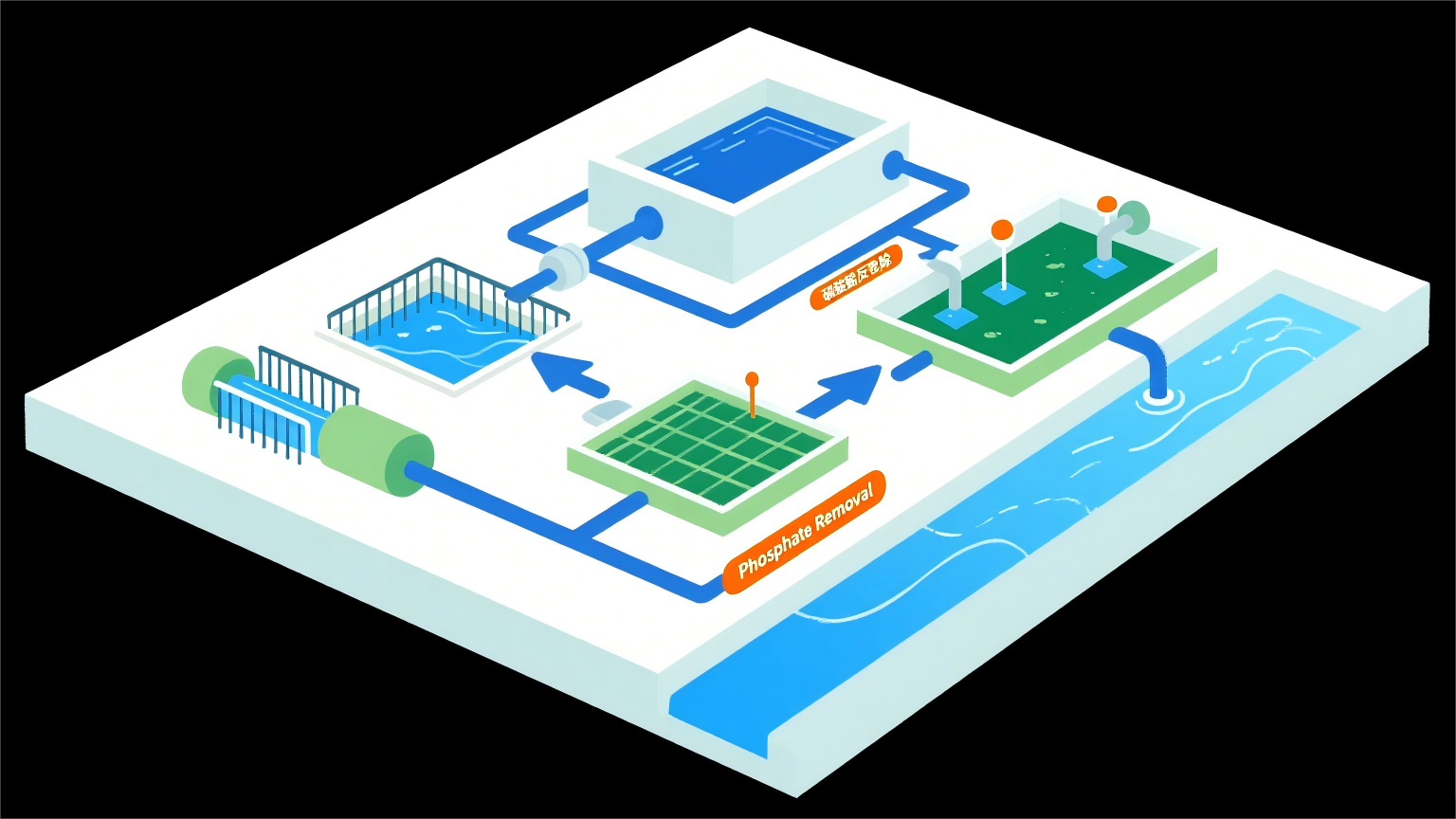
The activated sludge process is one of the most widely used wastewater treatment systems. It relies on aeration and microorganisms to break down organic pollutants. Many plants use fine bubble diffusers or disc diffusers to supply oxygen more efficiently. This system is reliable, cost-effective, and suitable for most municipal and industrial applications.
MBBR is a compact and flexible biological treatment system. It uses free-moving carriers that provide a large surface area for biofilm growth. MBBR systems are easy to operate, simple to upgrade, and ideal for projects that need higher treatment capacity without expanding the plant. They are commonly used in industrial wastewater treatment and decentralized systems.
An SBR treats wastewater in stages—fill, react, settle, and discharge—all in one tank. This makes the system space-saving and easy to control. SBR systems are perfect for small communities, hotels, and industries that need stable treatment performance without complicated equipment.
Anaerobic systems treat wastewater without oxygen. They are suitable for high-strength industrial wastewater, especially from food, beverage, and chemical factories. These systems also produce biogas, which can be reused as energy, making them an environmentally friendly option.
Some wastewater contains oils, suspended solids, or chemicals that cannot be removed biologically. For these cases, treatment methods such as DAF (Dissolved Air Flotation), coagulation, sedimentation, and filtration are used. These processes help remove contaminants before biological treatment or before final discharge.
An aeration system is a key part of many wastewater treatment plants. Equipment such as fine bubble diffusers, aeration pipes, and blowers helps maintain oxygen levels in the tank. Good aeration improves biological activity, increases efficiency, and helps achieve better effluent quality.
Different wastewater treatment systems offer different benefits. The right choice depends on the type of wastewater, treatment standards, available space, and operating cost. A well-designed system ensures lower energy use, stable performance, and better environmental protection.


